The European Commission has rolled out a new whistleblower channel designed to allow individuals — including employees of AI developers and deployers to confidentially report suspected violations of the EU AI Act. The launch marks a significant shift toward greater transparency and accountability in the rapidly evolving world of artificial intelligence.
What Is the Tool — and What Does It Do
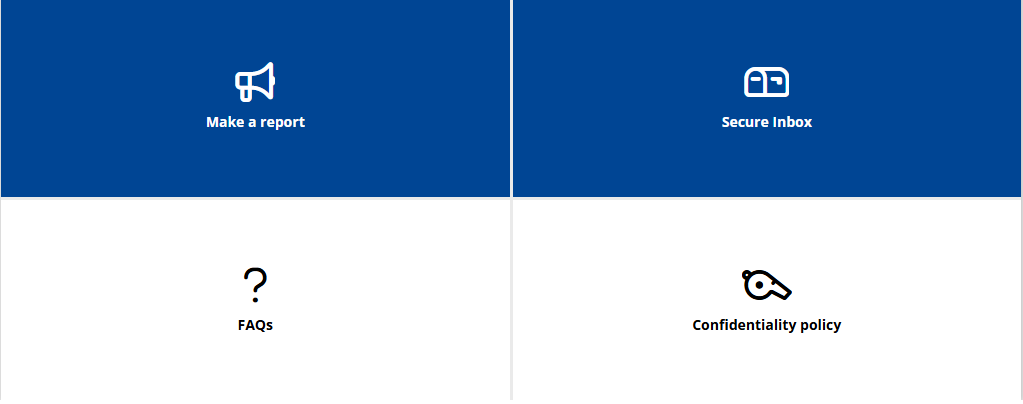
- The platform, managed by the Commission’s central AI expertise unit, the EU AI Office, enables reporting of potential breaches directly to regulators. Users can submit information anonymously, in any official EU language, and in any file format — from documents to memos to data logs.
- Once a report is submitted, whistleblowers may receive updates, follow-up questions, and an opportunity to respond , all while preserving anonymity. Certified encryption mechanisms safeguard confidentiality, according to the Commission.
- The kinds of misconduct that can be flagged include AI practices that endanger fundamental rights, public health, safety, or public trust. The tool aims to catch breaches that might otherwise stay hidden until harm becomes visible.
In short: the tool provides a secure, encrypted channel for insiders and other actors to bring potentially dangerous AI practices to light , from model misuse to regulatory noncompliance.
Why the Launch Matters (Even With Limitations)?
- A Step Toward Transparent AI Governance- For regulators and civil-society groups, the tool represents a tangible mechanism to detect and deter rogue or negligent AI practices early. As noted by observers at institutions such as the Digital Watch Observatory, it lays important groundwork for accountability even before full enforcement begins. Whistleblowers can act as the first line of defense flagging high-risk or prohibited AI uses (e.g. systems that violate fundamental rights, enact discriminatory profiling, or pose safety hazards) before they cause harm. This is particularly meaningful given the broad and still evolving use of AI across sectors.
- But Protections Are Not Yet Fully Operational- Critically, legal protections for whistleblowers under the EU Whistleblower Directive — such as protection against employer retaliation , will only apply from 2 August 2026, when the relevant provisions of the AI Act take effect. In other words, someone reporting today risks professional or legal consequences if their employer retaliates. Until those protections kick in, confidentiality remains the main safeguard. (Digital Strategy)
The Commission itself acknowledges this gap , but argues that the encryption and confidentiality mechanisms should at least provide practical safety for early whistleblowers.
This caveat has sparked debate: while many welcome the tool as a breakthrough for AI oversight, some express concern that whistleblowers may be reluctant to step forward without stronger legal shields in place.
Context: Why This Tool Comes Now
The launch coincides with the phasing in of the EU AI Act — the first comprehensive, risk-based AI regulation globally, which took effect in August 2024.
Under the Act:
- Certain “unacceptable risk” AI systems (e.g. social scoring, manipulative profiling, indiscriminate biometric surveillance) have already been banned as of February 2025.
- Obligations for high-risk AI systems — including strict risk-management, transparency, accountability, documentation and impact assessment — will be enforced from August 2026.
In that light, the whistleblower tool serves two purposes. First , as a compliance signal to developers: “We are watching, and infractions can be flagged even before formal enforcement.” Second , as a protective mechanism for society, by giving insiders a secure path to expose harmful or dangerous AI practices early.
The Commission described the tool as part of its broader “AI Office” initiative tasked with ensuring safe, transparent and human-centric AI across the EU.
Reaction: Experts Welcome the Step, But Urge Caution
Analysts and civil-society actors broadly welcomed the tool as a needed instrument for accountability. As highlighted by the Digital Watch Observatory, it represents “stronger reporting channels as Europe prepares tighter oversight of advanced AI systems.”
Nevertheless, many continue to flag the legal gap regarding whistleblower protections , arguing that without statutory immunity from retaliation, the tool might remain under-utilized.
Some experts point out that existing EU whistleblowing frameworks (e.g. product-safety or consumer-protection laws) might still cover certain AI-related misconduct , meaning that in some cases, whistleblowers might already enjoy partial protection under older directives.
Still, the broader consensus is that this tool is a vital, albeit imperfect, step toward operationalising transparency and oversight in AI governance.
What the Launch Means for Stakeholders Worldwide , Including Non-EU Actors?
Though the tool is designed for the EU — its implications reverberate globally, especially for AI developers, deployers and compliance professionals outside Europe. For anyone building or offering AI systems that may end up used in the EU, the message is clear:
- With whistleblowers as potential monitors, regulatory compliance can no longer be treated as optional. Internal risk-management, documentation, transparency and ethical guardrails matter — even more than before.
- For regulators, civil-society and users globally, the EU continues to shape standards of “trustworthy AI.” Tools like this can become precedents elsewhere.
- For whistleblowers (or prospective whistleblowers), the tool offers a formal channel — but also a reminder that full legal protection arrives only later. Until then, risk remains real.
In short: the EU is sending a signal — not just to AI companies, but to the global AI community — that transparency and accountability are foundational to the long-term legitimacy of AI.